
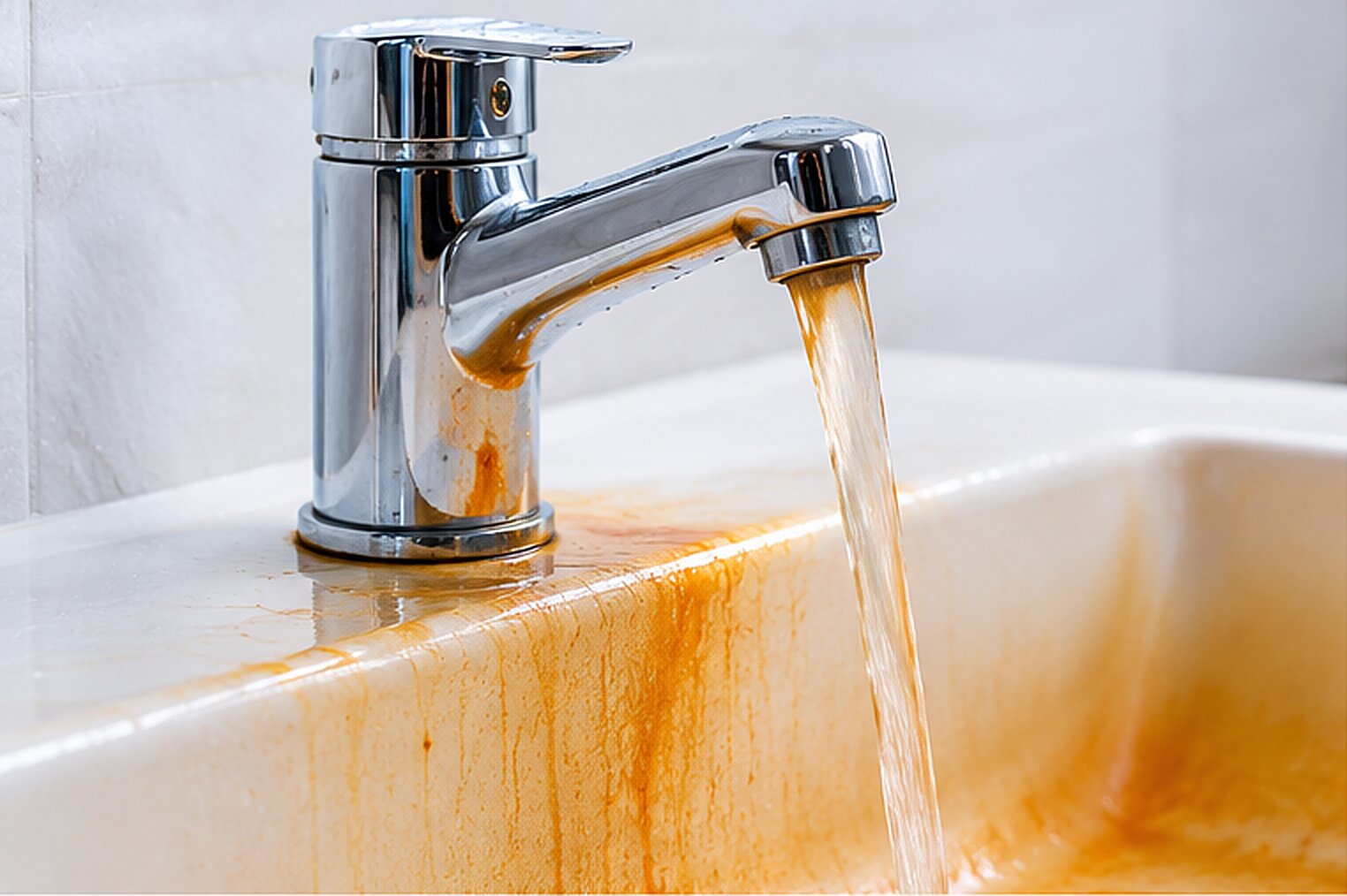
Iron and manganese
Elevated iron or manganese can cause a yellow or brown tint, metallic taste, deposits and staining.
Possible solution: iron-removal or another water-treatment technology selected from test results.

WATER FILTERS
The appearance or taste of water does not always reveal its quality. MELKERLITA helps select a water filtration system according to laboratory test results, the water source and actual consumption. Properly selected equipment can reduce unwanted substances, protect household appliances and improve everyday water-use comfort.
Request a consultation
Filtration technology is selected according to laboratory water composition, the water source and the desired result. A single filter is not a universal solution for every problem.
Elevated iron or manganese can cause a yellow or brown tint, metallic taste, deposits and staining.
Possible solution: iron-removal or another water-treatment technology selected from test results.
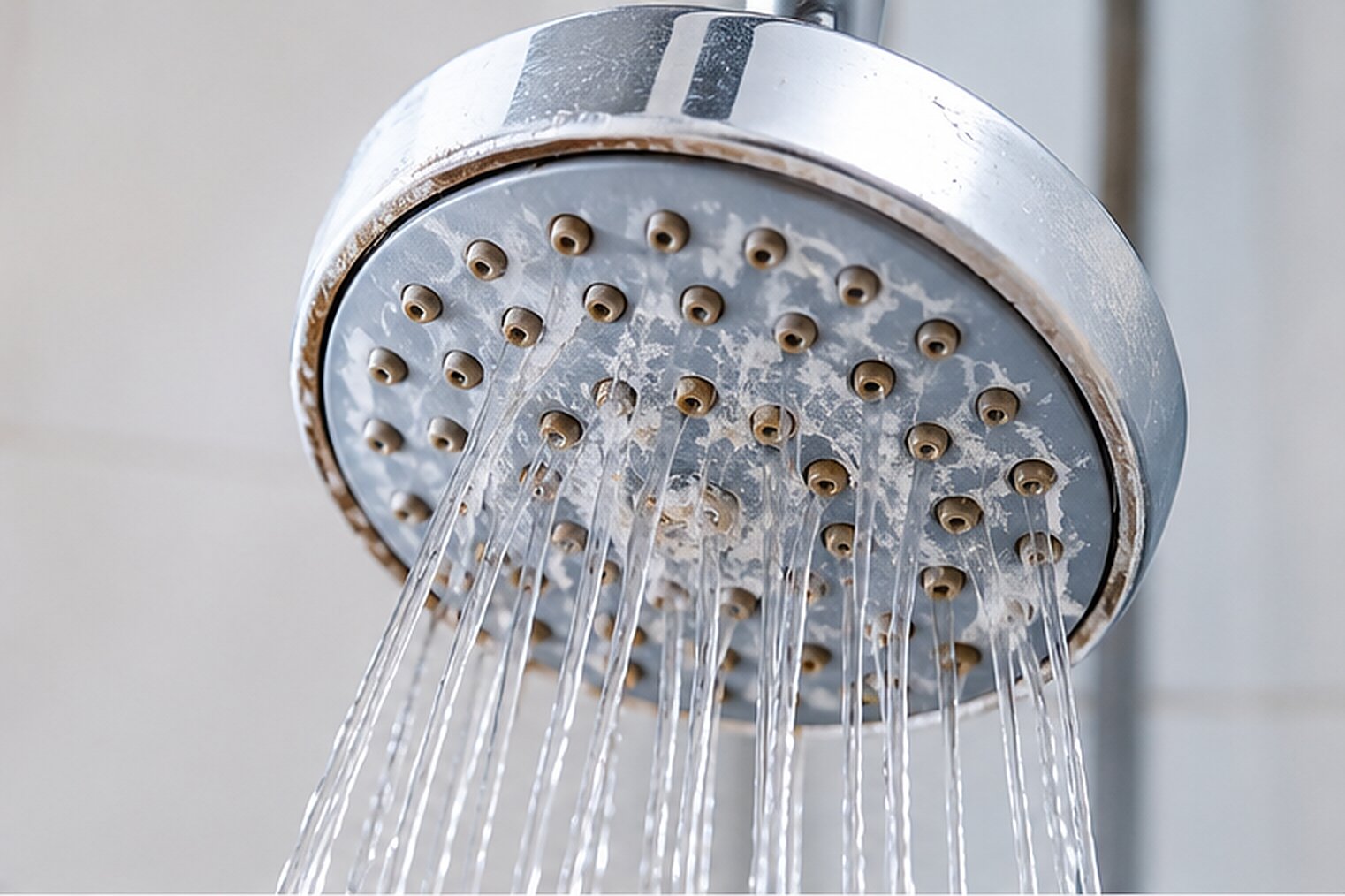
Higher levels of calcium and magnesium can cause scale on surfaces, heating elements and inside pipework.
Possible solution: a water softening system when supported by test results and the intended use.
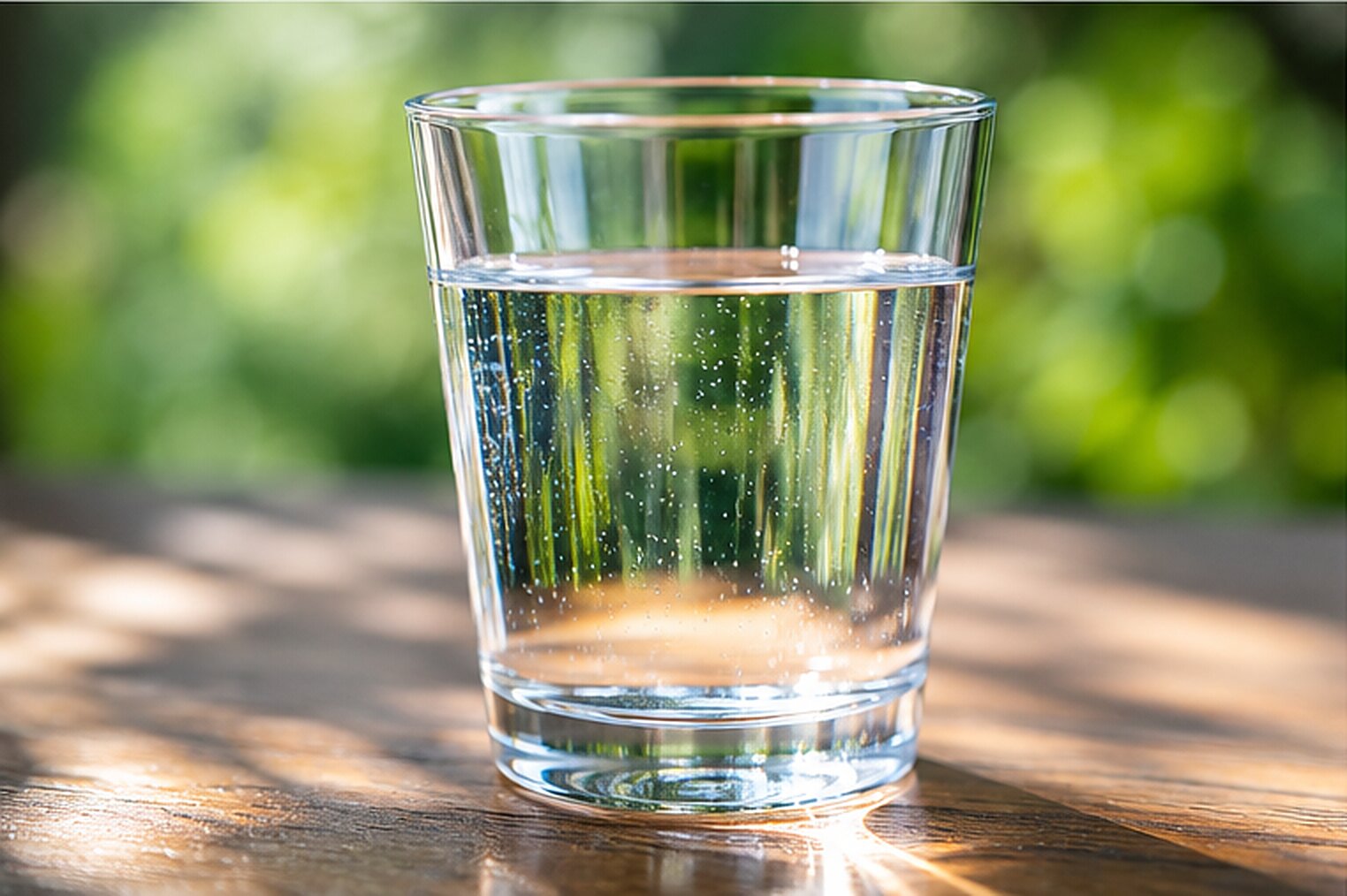
Taste or odour may have different causes, so the cause should be identified before equipment is selected.
Possible solution: activated carbon or another technology selected for the identified cause.

Nitrates, nitrites, ammonium and other substances are not always detectable from the appearance, taste or smell of water.
Possible solution: specialised filtration or reverse osmosis when the need is confirmed by testing.
Filtration technologies
Different technologies address different water-quality problems. A final system may consist of one unit or several units operating in sequence.
Used to reduce iron and, under suitable conditions, manganese. The technology is selected according to the water chemistry.
Use ion exchange to reduce calcium and magnesium compounds responsible for water hardness.
Capture sand, rust and other insoluble solid particles. Filtration grade is selected for the system.
Can reduce unwanted taste, odour and certain organic substances.
Use membranes to reduce a range of dissolved substances, usually for drinking water at a separate point of use.
Used to manage microbiological risk when supported by water testing and appropriate pre-treatment.
Water composition
Laboratory water testing identifies the composition of the water and allows a filtration system to be selected from measured values. The scope of testing is selected according to the water source, intended use and observed problems; an identical test package is not necessary for every property.
How we work
 1
We discuss the water source, consumption and observed problems.

 2
We assess the test results and the most important water parameters.
 3
We select the filtration technology, equipment capacity and installation solution.
 4
We install and test the equipment and explain its use and maintenance.
Operation
Water filtration equipment maintenance depends on the technology, water quality and consumption. It may include replenishing regeneration salt, replacing cartridges or filter media, cleaning equipment and checking its settings.
Maintenance intervals follow the manufacturer’s instructions and actual operating conditions. Timely maintenance helps preserve the intended operation of the system and protect the equipment.
Individual proposal
The cost of a water filtration system depends on the water test results, required technology, equipment capacity, automation, installation conditions and additional equipment. A precise estimate is prepared after assessing the specific water source and usage needs.
FAQ
We answer the most frequently asked questions to make our services easier to understand and help you make the right decision.
Related services


Technical design, document assessment and consultation for water wells and geothermal systems.


 +370 615 82350