MELKERLITA
Request a consultation
Heat pump installation in a residential building

HEAT PUMPS

Heat pump selection and installation

A heat pump uses heat stored in the environment for space heating and domestic hot water. MELKERLITA selects a heat pump according to the building’s heat demand, the existing or planned heating system and the technical conditions of the property.

Request a consultation

Which heat pump should you choose?

Heat pumps differ in their heat source, installation requirements and operating characteristics. The most suitable solution depends on the building, site and planned investment.

Air-to-water heat pump system

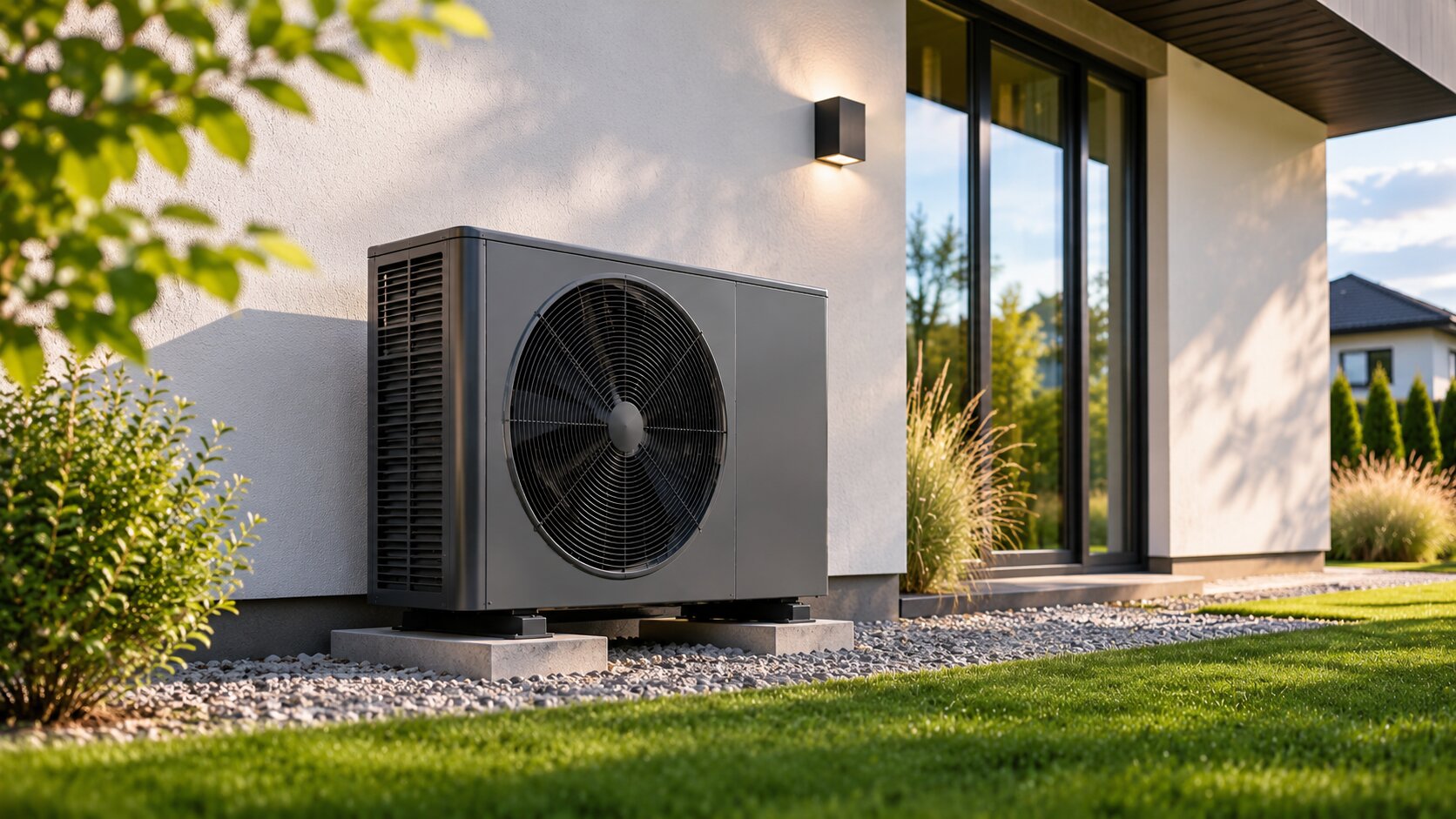
Air-to-water

Heat is taken from the outdoor air and transferred to the building’s hydronic heating system. This solution does not require geothermal boreholes or a horizontal ground collector.

Benefit: simpler heat-source installation.

Important considerations: efficiency at low outdoor temperatures, outdoor-unit placement, noise and defrost cycles.

Ground-to-water heat pump system

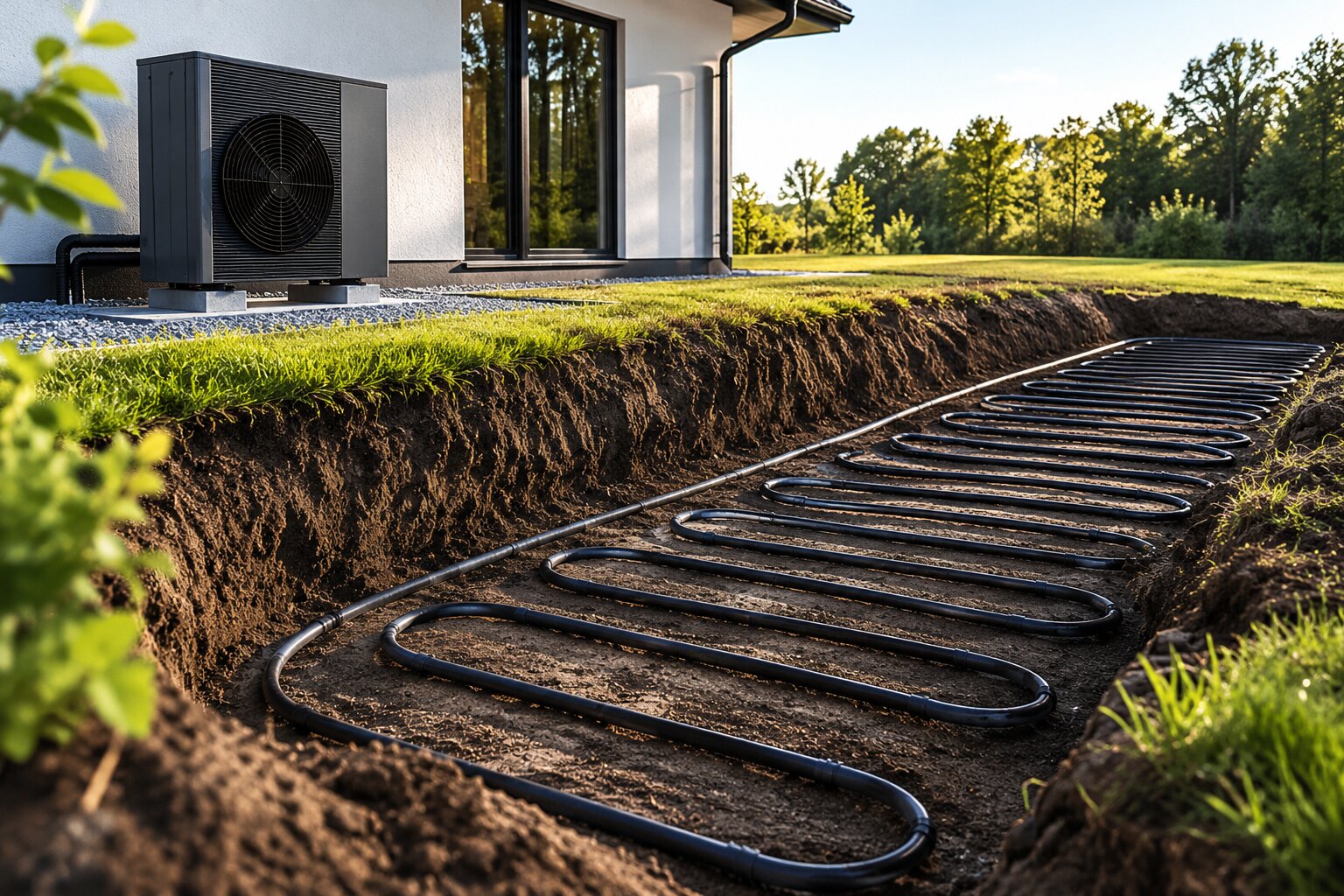
Ground-to-water

Heat is collected from the ground using a vertical or horizontal collector and transferred to the heat pump.

Benefit: comparatively stable heat-source temperatures.

Important considerations: site area, ground conditions, collector size and installation work.

Water-to-water heat pump system

Water-to-water

Groundwater is used as the heat source, and its heat is transferred to the heat pump through a heat exchanger.

Benefit: high system efficiency may be achieved under suitable conditions.

Important considerations: water yield and quality, hydrogeological conditions, water return and permits.

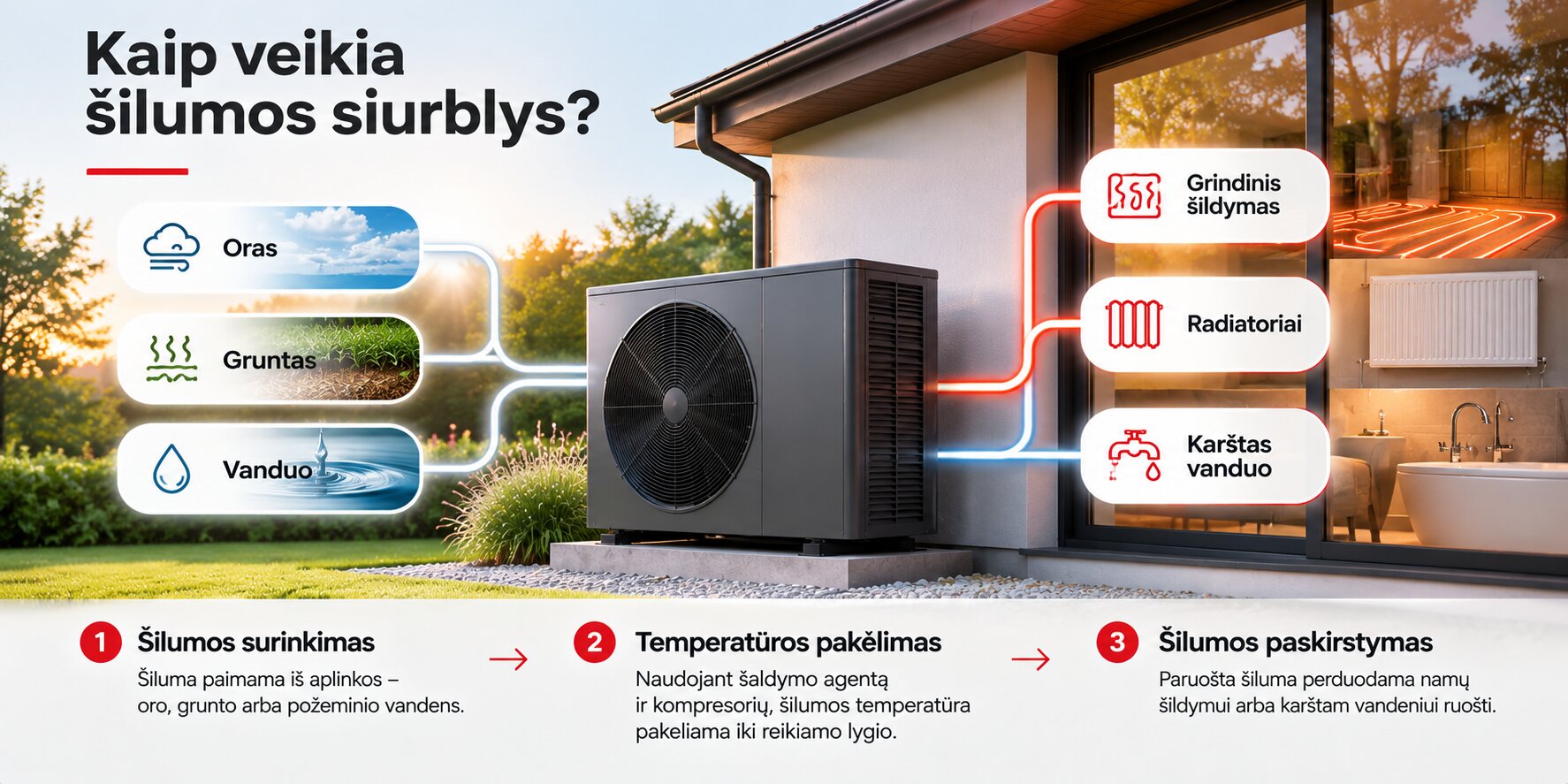
Diagram of the heat pump operating principle

How does a heat pump work?

A heat pump uses heat available in the environment and, with electrical energy, raises its temperature to the level required for heating the building.

  • Heat collection – heat is collected from outdoor air, the ground or groundwater, depending on the selected system.
  • Temperature increase – the evaporator, compressor, condenser and expansion valve in the refrigerant circuit transfer heat to a higher-temperature heating system. The compressor requires electrical energy.
  • Heat delivery – heat is supplied to underfloor heating, radiators or the domestic hot water system.

A heat pump is selected for the building, not by catalogue output alone

A correctly selected heat pump must match the calculated heat demand of the building and operate in balance with the heating and domestic hot water system. Undersized or oversized equipment, an unsuitable temperature regime or unassessed site conditions can affect comfort and operating costs.

  • Building heat loss.
  • Heating-system temperature regime.
  • Domestic hot water demand.
  • Site and heat-source conditions.
  • Available electrical supply.
  • Seasonal equipment efficiency.
  • Installation and maintenance conditions.
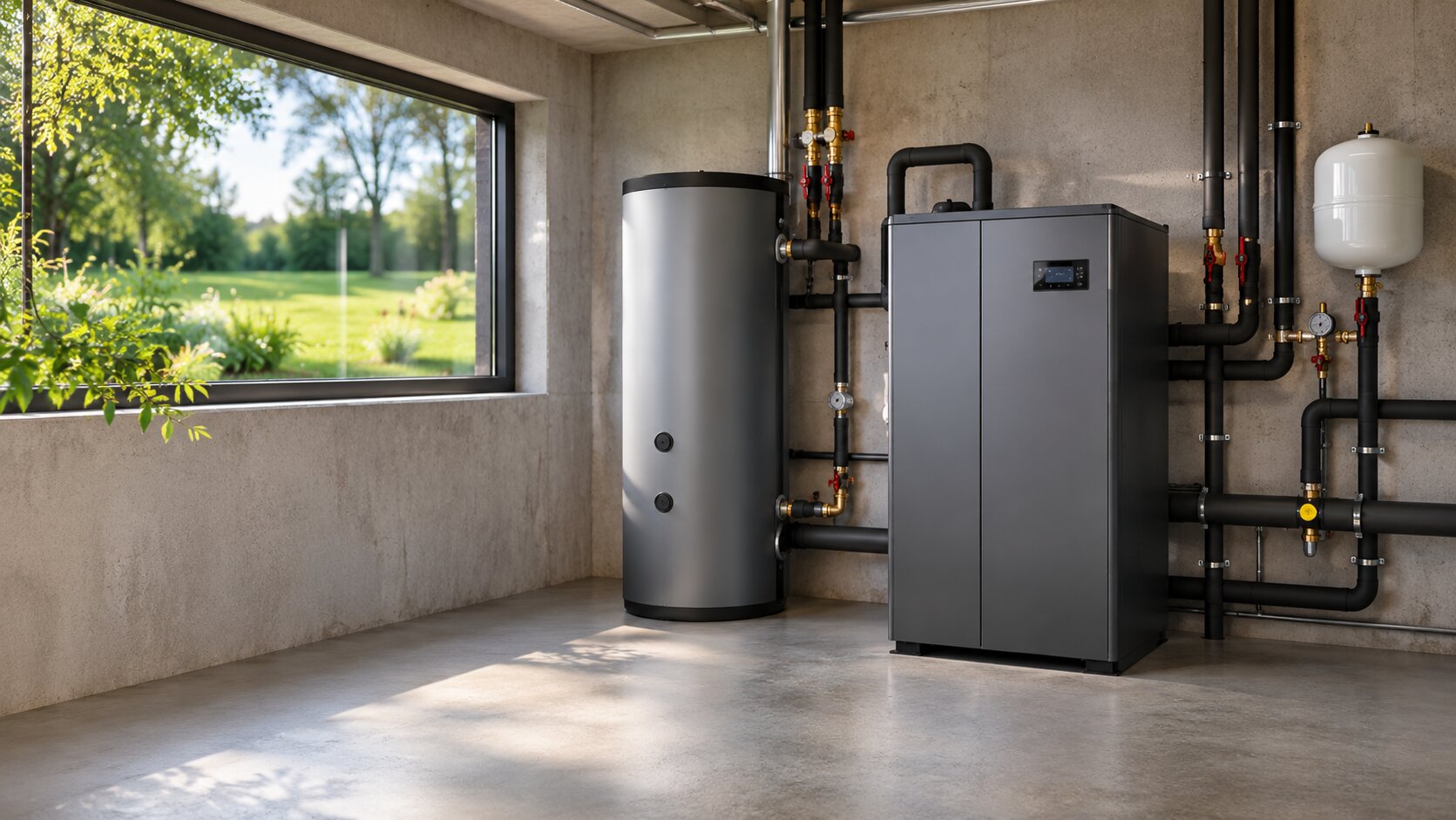
Building data assessment for heat pump selection

What determines the cost of heat pump installation?

Heat pump installation cost depends on the selected technology, building heat demand, equipment specifications and scope of installation work. For geothermal systems, the cost of boreholes or the ground collector is also important.

A final estimate is prepared after assessing the specific property.

Request an individual proposal

How we work

1

Building data analysis

We assess the heat demand and the existing heating system.

2

System type and output selection

We select the suitable technology and equipment parameters.

3

Installation solution

We plan the equipment location, connections and required work.

4

Installation and commissioning

We install and test the system and explain how to use it.

FAQ

Frequently asked questions

The choice depends on the building heat loss, heating system, site conditions, domestic hot water demand and planned investment.

An air-to-water system takes heat from the outdoor air, while a ground-to-water system uses a collector installed in the ground. The installation work, heat-source temperatures and seasonal operating characteristics differ.

Output is selected according to calculated building heat loss, design conditions, domestic hot water demand and the selected system operating mode.

It may be suitable, but the building heat loss and the temperature regime of the existing heating system must be assessed. Additional modernisation work may sometimes be required.

Yes. A correctly selected system can also be used to prepare domestic hot water.

Yes. Maintenance tasks and intervals depend on the system type, manufacturer requirements and operating conditions.

Some systems can provide cooling when it is included in the equipment and the building’s heating and cooling system design.