MELKERLITA
Request a consultation
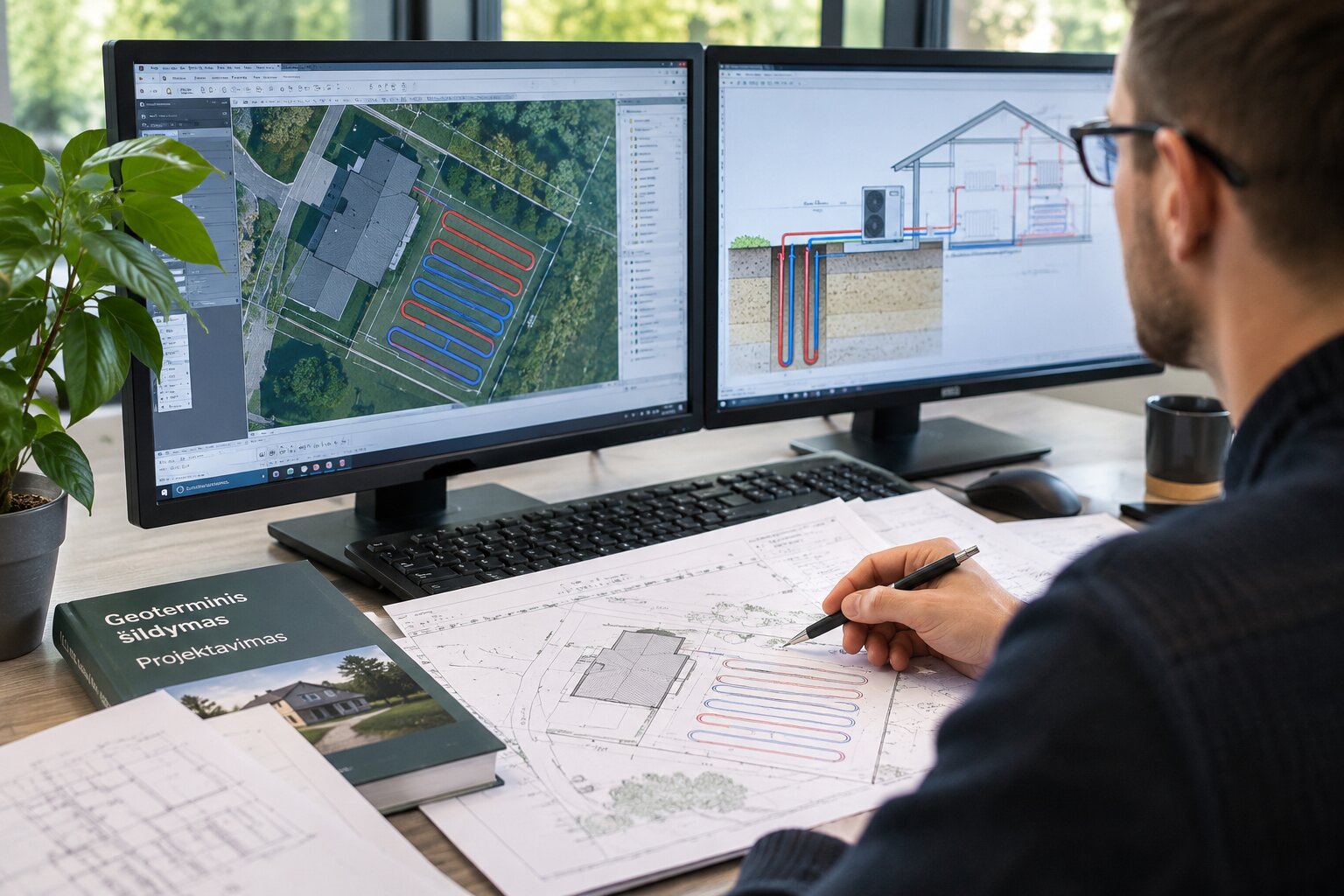
House with a geothermal heating system and ground collector

Geothermal heating

Geothermal heating installation

Geothermal heating is a building heating solution in which a heat pump uses heat stored in the ground or groundwater. MELKERLITA helps assess the building’s heat demand and site conditions and select a suitable system, from vertical geothermal boreholes to horizontal collectors.

Request a consultation
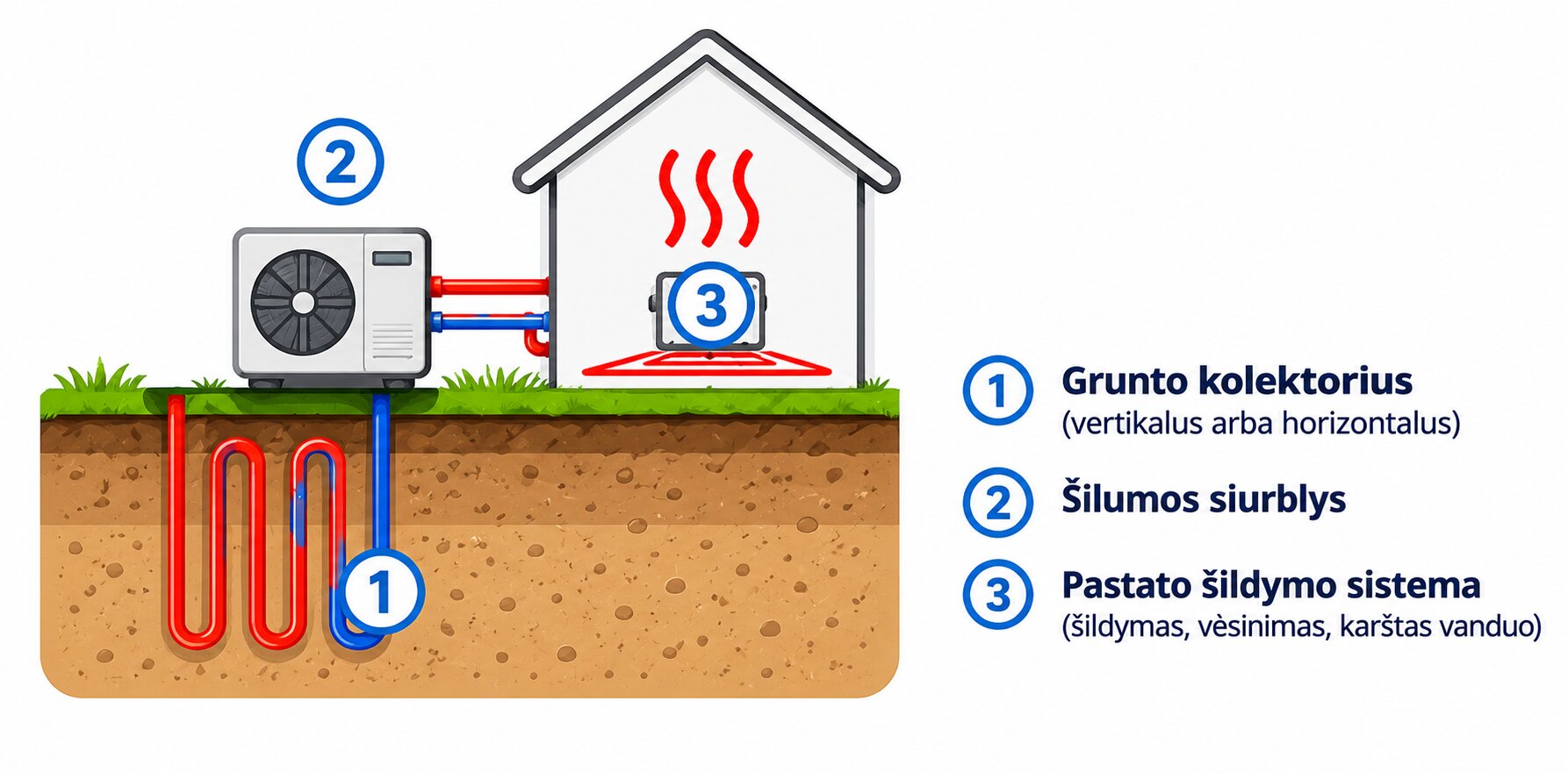
Geothermal heating system diagram showing the ground collector, heat pump and building heating system

How the system works

How does geothermal heating work?

A ground collector or groundwater system transfers low-temperature heat to the heat pump. Using electricity, the heat pump raises the temperature to a level suitable for space heating and domestic hot water. System efficiency depends on the heat-source temperature, building heat demand, heating-system temperature regime and equipment selection.

  • Heat is collected from the ground or groundwater.
  • The heat pump raises the temperature.
  • Heat is delivered to the building heating and domestic hot water systems.

System types

Which geothermal heating solution should you choose?

Geothermal systems differ in how they collect heat. The most suitable option depends on the available site area, geological and hydrogeological conditions, the building’s heat demand and the planned investment.

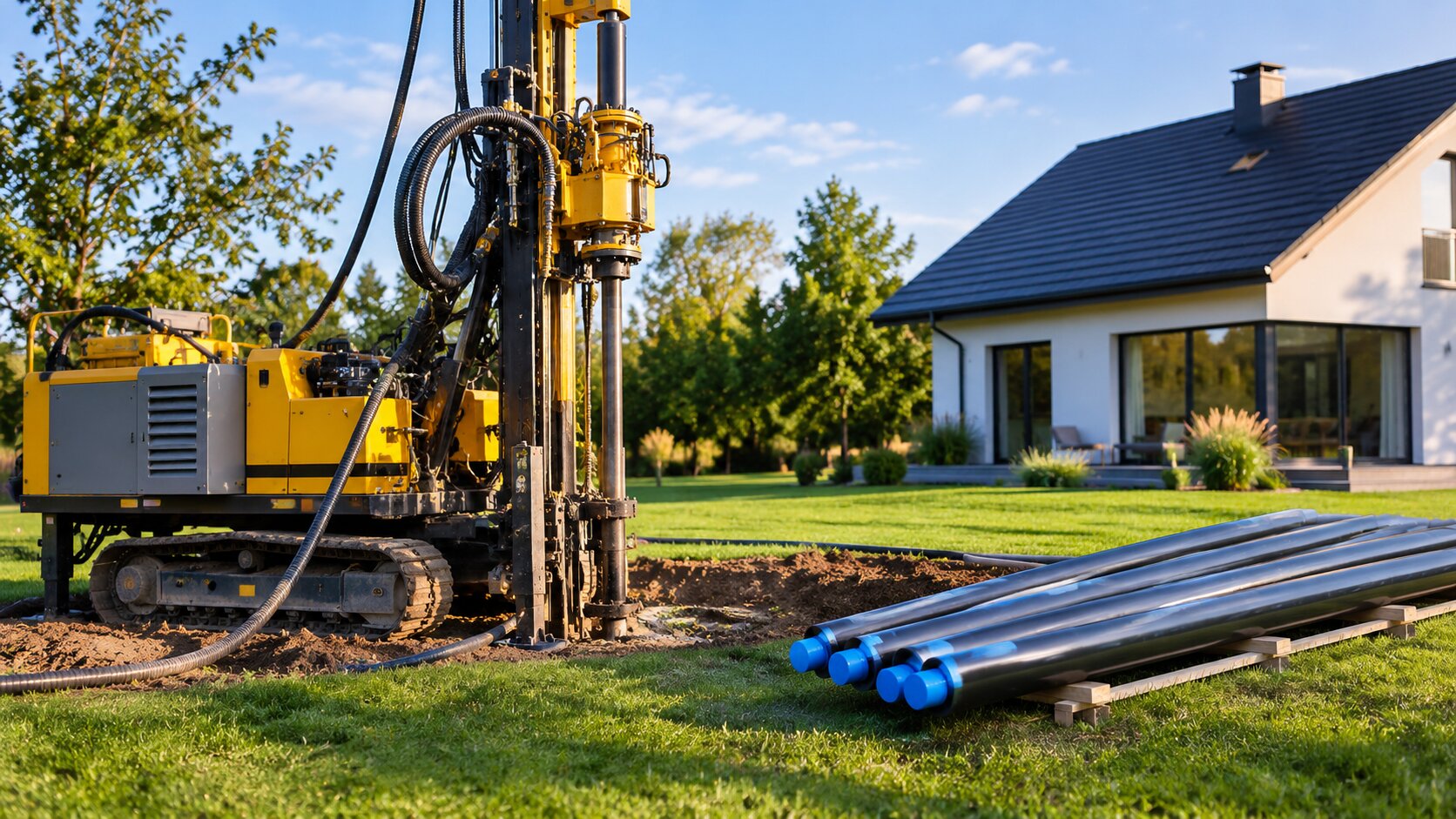
Vertical geothermal borehole installation beside a residential home

Vertical geothermal boreholes

Vertical collectors are installed in boreholes and transfer heat stored in the ground to the heat pump. This solution is particularly relevant where there is not enough space for a horizontal collector.

Benefit: a comparatively small site area is required.

Important considerations: borehole depth, geological conditions, heat demand and installation costs.
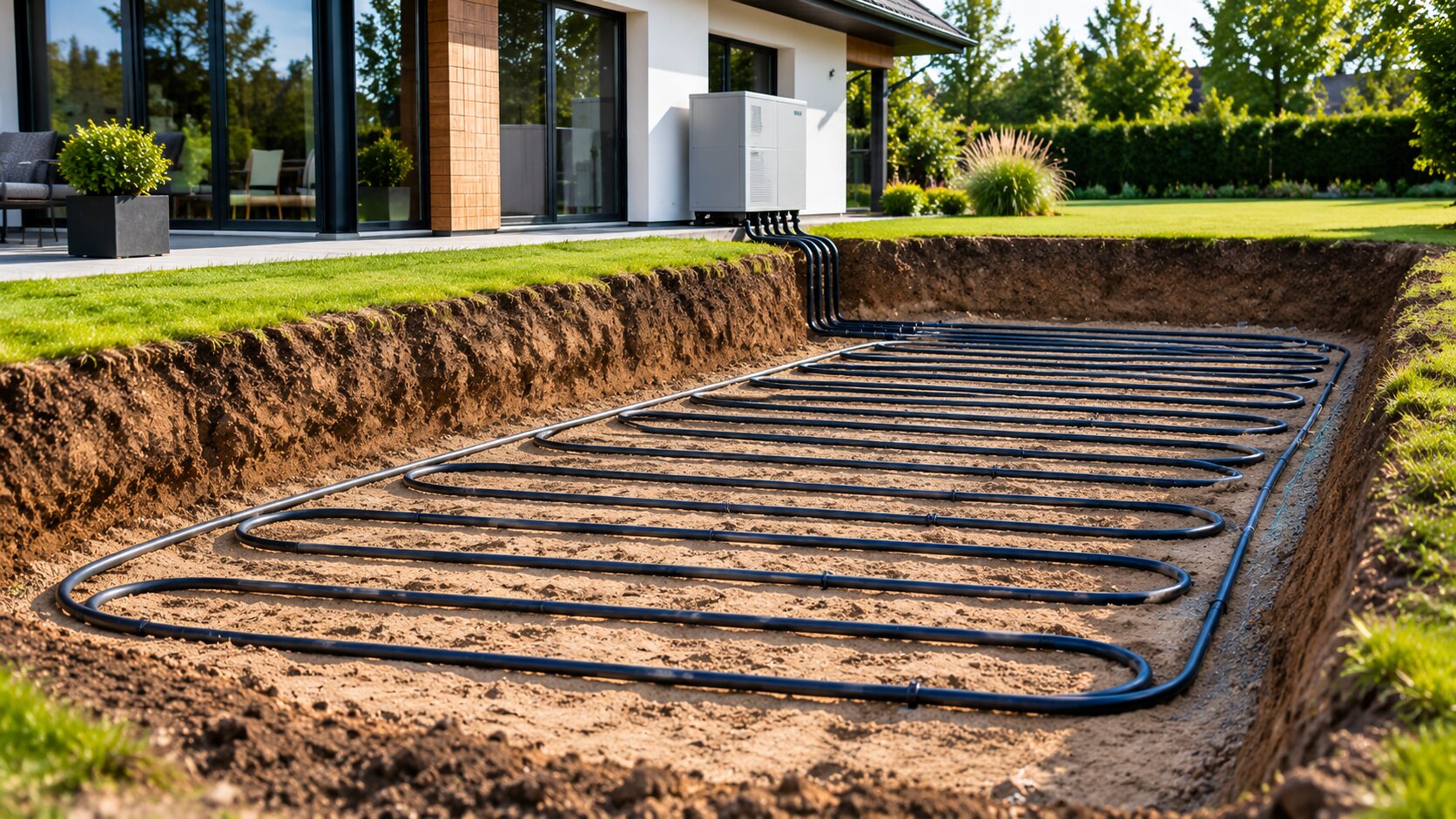
Horizontal ground collector pipework installed beside a residential home

Horizontal ground collector

A horizontal collector is installed at a relatively shallow depth. It collects heat from the ground and transfers it to the heat pump.

Benefit: under suitable conditions, installation may be more economical.

Important considerations: available site area, soil properties, moisture and the extent of earthworks.

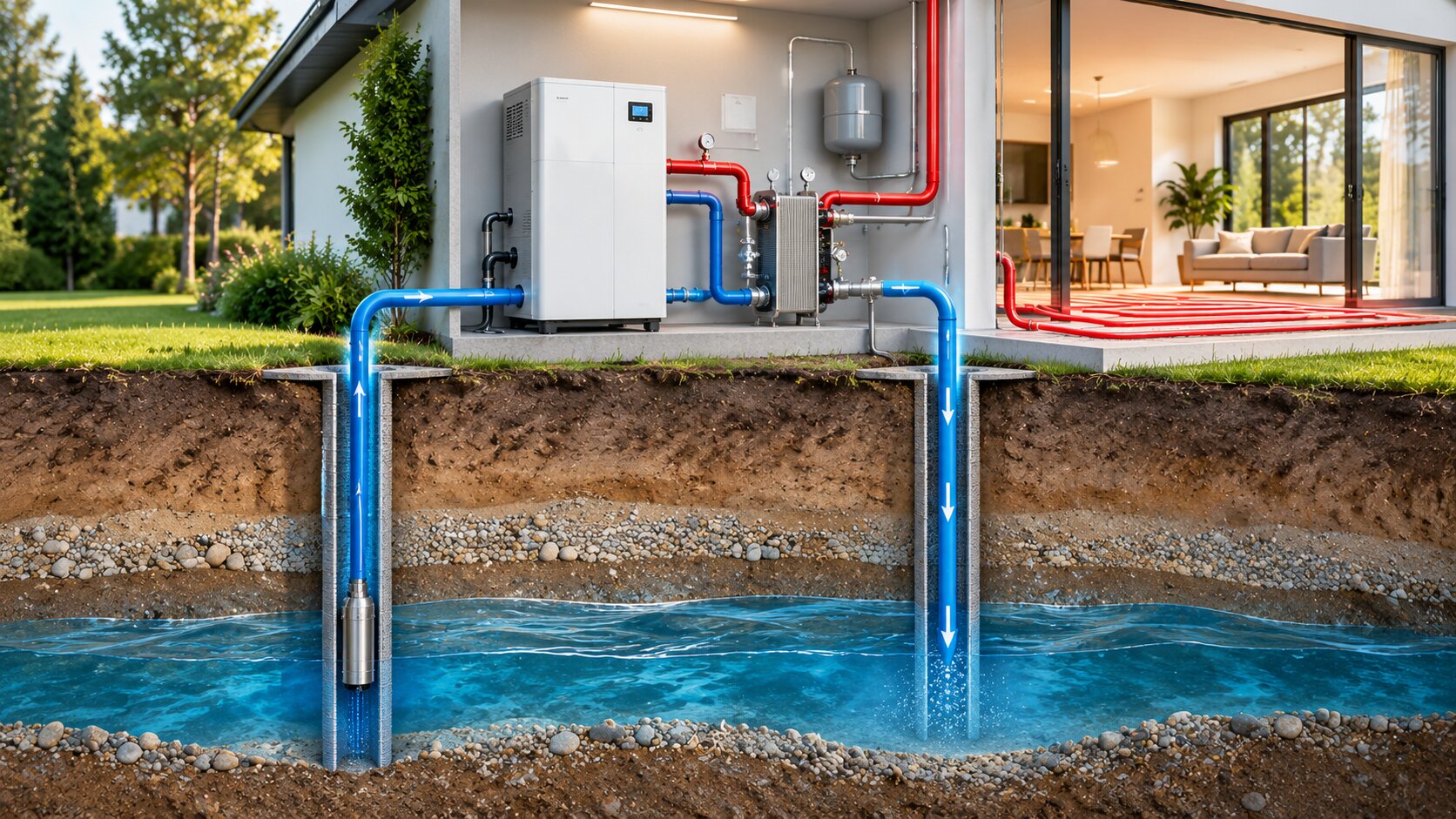
Geothermal groundwater system with abstraction and reinjection wells

Groundwater system

Groundwater is used as the heat source. It is drawn from an abstraction well, transfers heat through a heat exchanger and, depending on the design, is returned to the underground environment.

Benefit: under suitable conditions, the heat-source temperature can be favourable and relatively stable.

Important considerations: water yield and quality, hydrogeological conditions, reinjection options and applicable permit requirements.

System comparison

Vertical or horizontal collector?

Vertical collector

  • Requires less site area.
  • Requires drilling work.
  • Installation cost depends on borehole parameters.

Horizontal collector

  • Requires a larger clear site area.
  • Requires excavation work.
  • Performance is more affected by seasonal ground-temperature conditions.

Groundwater system

  • Requires a suitable groundwater source.
  • Water yield and quality are important.
  • Water return and legal requirements must be assessed.

Individual assessment

What determines the cost of geothermal heating installation?

The cost of a geothermal heating system is assessed individually. It is influenced by the building’s heat demand, the selected collector type, ground conditions, the extent of drilling or earthworks, heat-pump specifications and integration with the building heating system.

  • Building heat loss and required output.
  • Collector type and size.
  • Geological and site conditions.
  • Heat pump and additional equipment.
  • Installation, commissioning and adjustment work.
Request an individual proposal

How we work

1

Needs assessment

We collect information about the building and site.

2

Solution selection

We assess the heat demand and collector type.

3

Design and approvals

We select the equipment and prepare the required solutions.

4

Installation and commissioning

We install and test the system and explain how to use it.

FAQ

Frequently asked questions

It may be suitable, but the building’s heat loss and the temperature regime of the existing heating system must be assessed. Additional modernisation work may be required in some cases.

A vertical collector is installed in boreholes and generally requires less site area. A horizontal collector is laid at a shallow depth but requires a larger clear area.

The cost depends on the building’s heat demand, selected collector, ground conditions, equipment and scope of work. A precise estimate is prepared after assessing the property.

Electricity use depends on heat demand, seasonal system efficiency, heating temperature and user habits. A more precise estimate requires calculations for the specific property.

Yes. A properly designed system can also be used to prepare domestic hot water.

Some systems can provide passive or active cooling. The available options depend on the heat pump, indoor equipment and project design.

Yes. Although heat pumps operate automatically, periodic checks and maintenance specified by the manufacturer are required.